

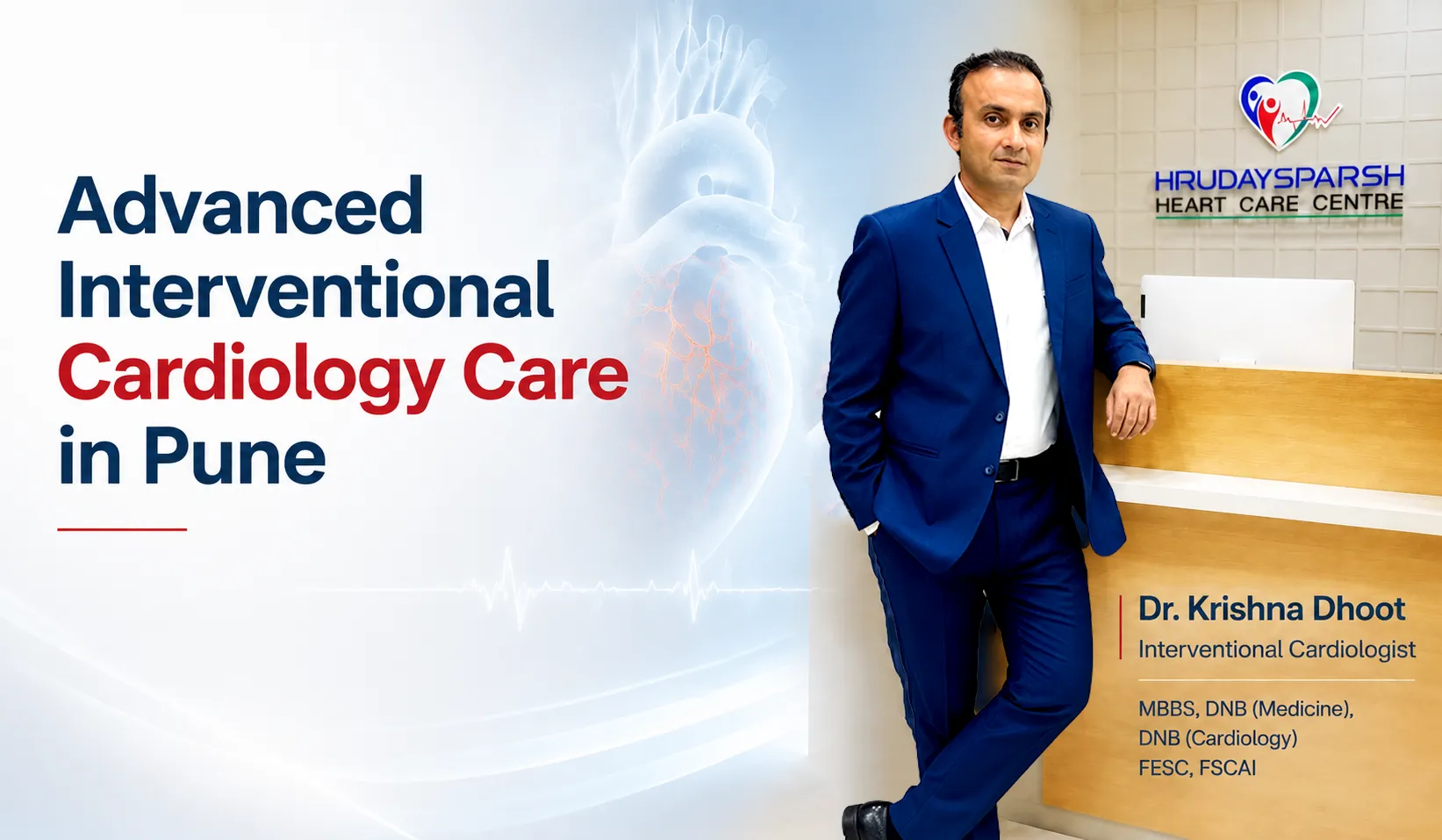
Heart Specialist in Pune
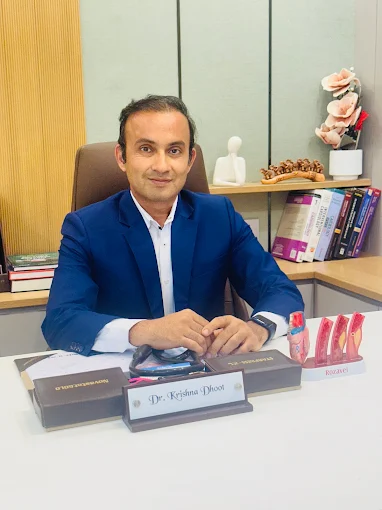
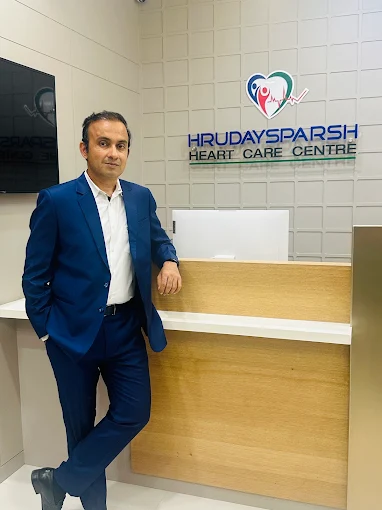
If you’re looking for an experienced heart specialist in Pune, Dr. Krishna Dhoot brings over 18 years of clinical and interventional cardiology experience to every consultation. As a cardiologist in Pune, he focuses on cardiac diagnosis, prevention, and treatment based on each patient’s individual needs.As Director of Hrudaysparsh Heart Care Centre in Hadapsar, he offers complete heart care from diagnosis and prevention to advanced cardiac procedures.
Patients receive personalised attention at the clinic, with access to advanced hospital facilities in Pune whenever specialised or higher-level cardiac care is required.
“Every patient who comes to me carries more than symptoms they carry worry about what comes next. My role as a heart specialist is to bring clarity to that uncertainty, and to treat not just the heart, but the person behind it.”
— Dr. Krishna Dhoot, Interventional Cardiologist.
Meet Dr. Krishna Dhoot
Dr. Krishna Dhoot is one of Pune’s most respected heart specialists, with more than 18 years of experience in clinical and interventional cardiology. He holds international fellowships from the European Society of Cardiology (FESC) and the Society for Cardiovascular Angiography & Interventions (FSCAI). He has treated thousands of patients, including many complex angiographies and angioplasties.
He graduated from Rajiv Gandhi University of Health Sciences, Karnataka (2003), completed his DNB in Medicine (2007), and trained in DNB Cardiology at Narayana Hrudayalaya, Bangalore (2011) — one of India’s premier cardiac care institutes.
Today, he serves as Director of Hrudaysparsh Heart Care Centre and is affiliated with several hospitals across Pune, including Sahyadri Hospital, Inamdar Hospital, Noble Hospital, Ruby Hall Clinic, Vishwaraj Hospital, and Poona Hospital. As a cardiologist in Pune, he provides consultations for various heart conditions and helps patients understand their diagnosis and available treatment options.

18+ Years of Experience

30,000+ Angiographies

10,000+ Angioplasties

Expert in Interventional Cardiology

Advanced Cardiac Care

Consultation in Hadapsar, Pune
Our Services
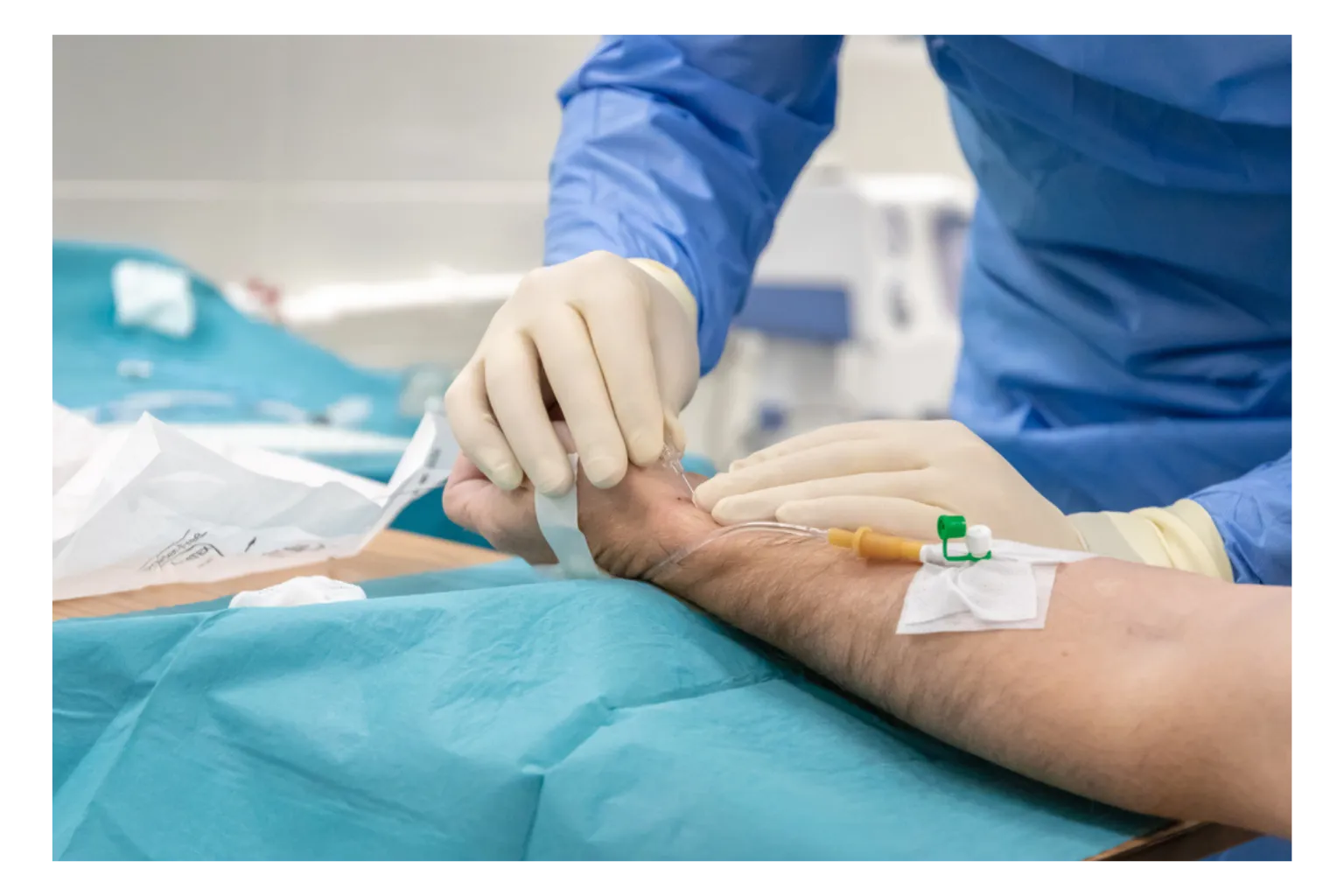
Coronary Angiography
A minimally invasive diagnostic test that uses contrast dye and X-ray imaging to detect blockages in the coronary arteries and assess blood flow to the heart.
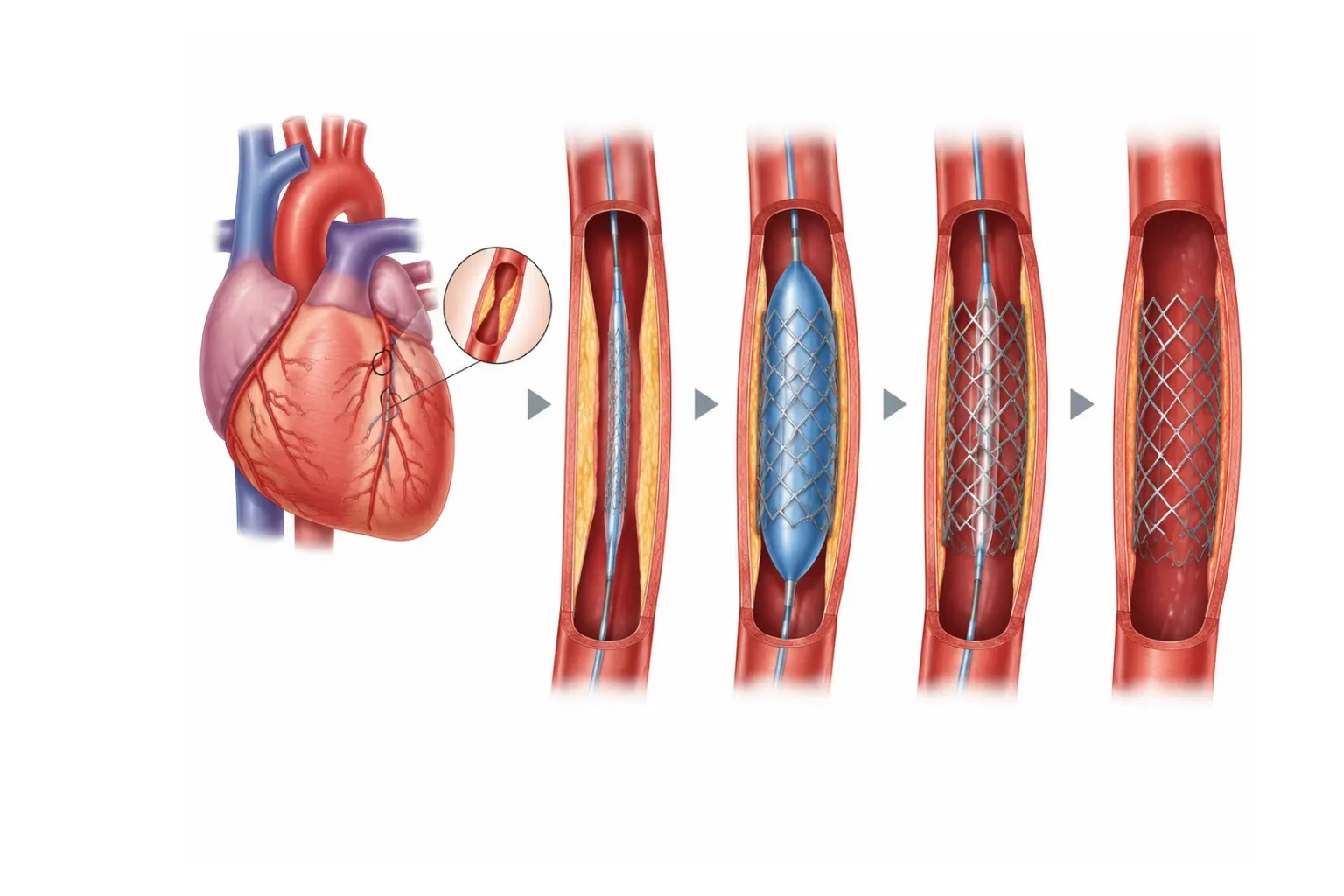
Coronary Angioplasty (Stent Placement)
A minimally invasive procedure that opens narrowed or blocked coronary arteries using a balloon, often followed by stent placement to restore normal blood flow.
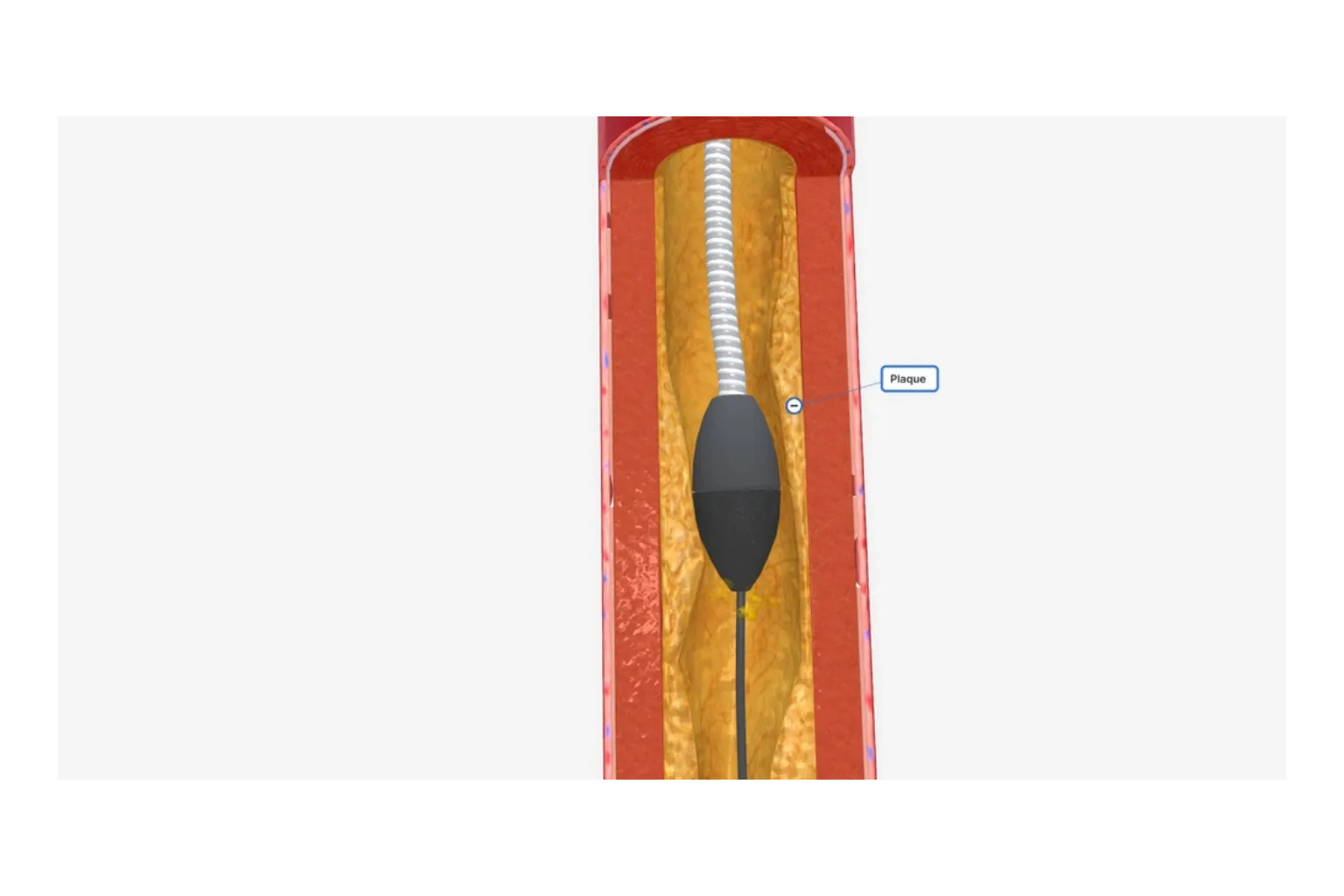
Rotational Atherectomy (Rota Ablation)
Uses a diamond-tipped rotating burr to remove hard, calcified plaque from coronary arteries, improving blood flow before stenting.
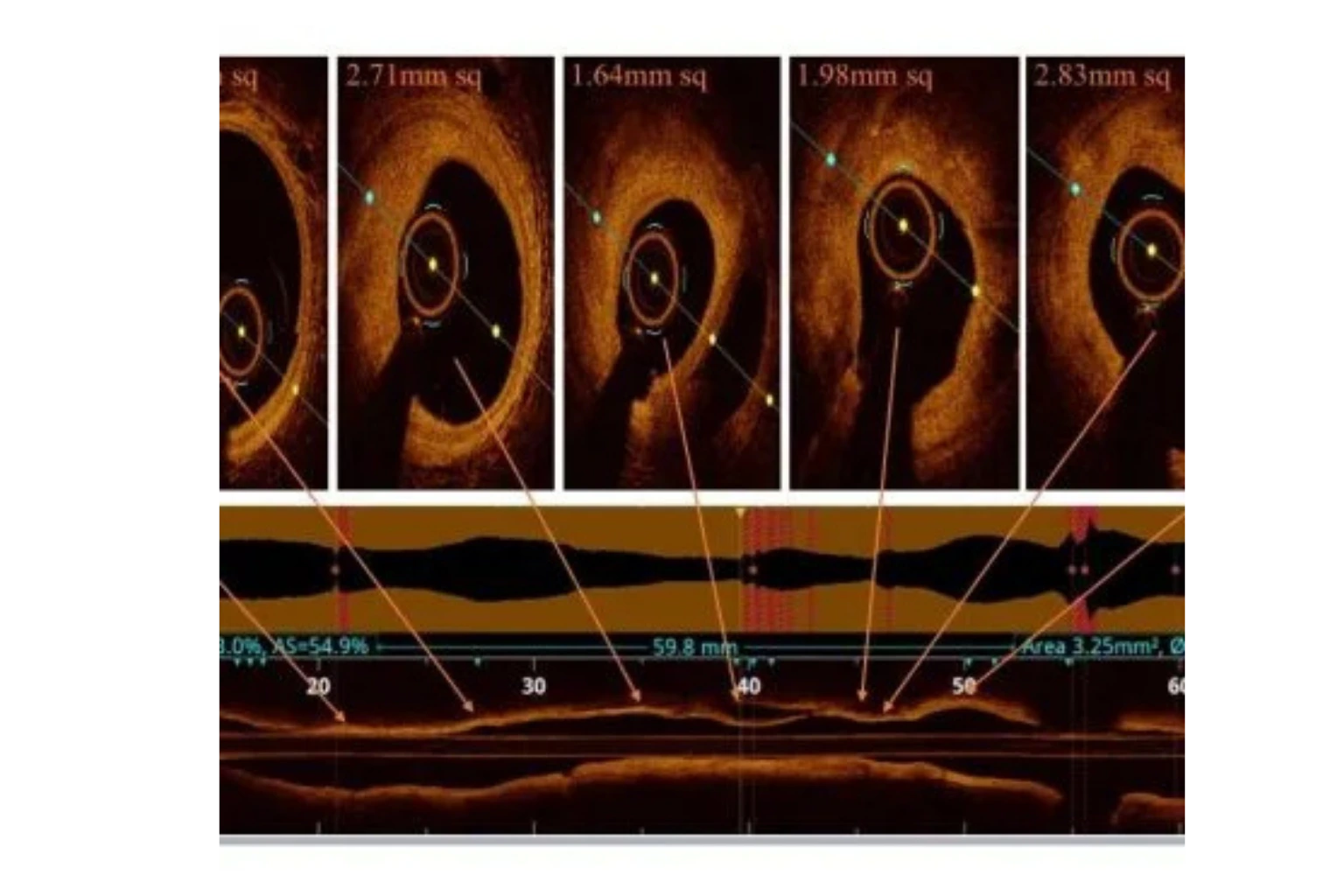
FFR, IVUS & OCT (Advanced Intracoronary Imaging)
Advanced imaging techniques that provide a detailed, inside view of coronary arteries helping assess blockages precisely and guide accurate stent placement.
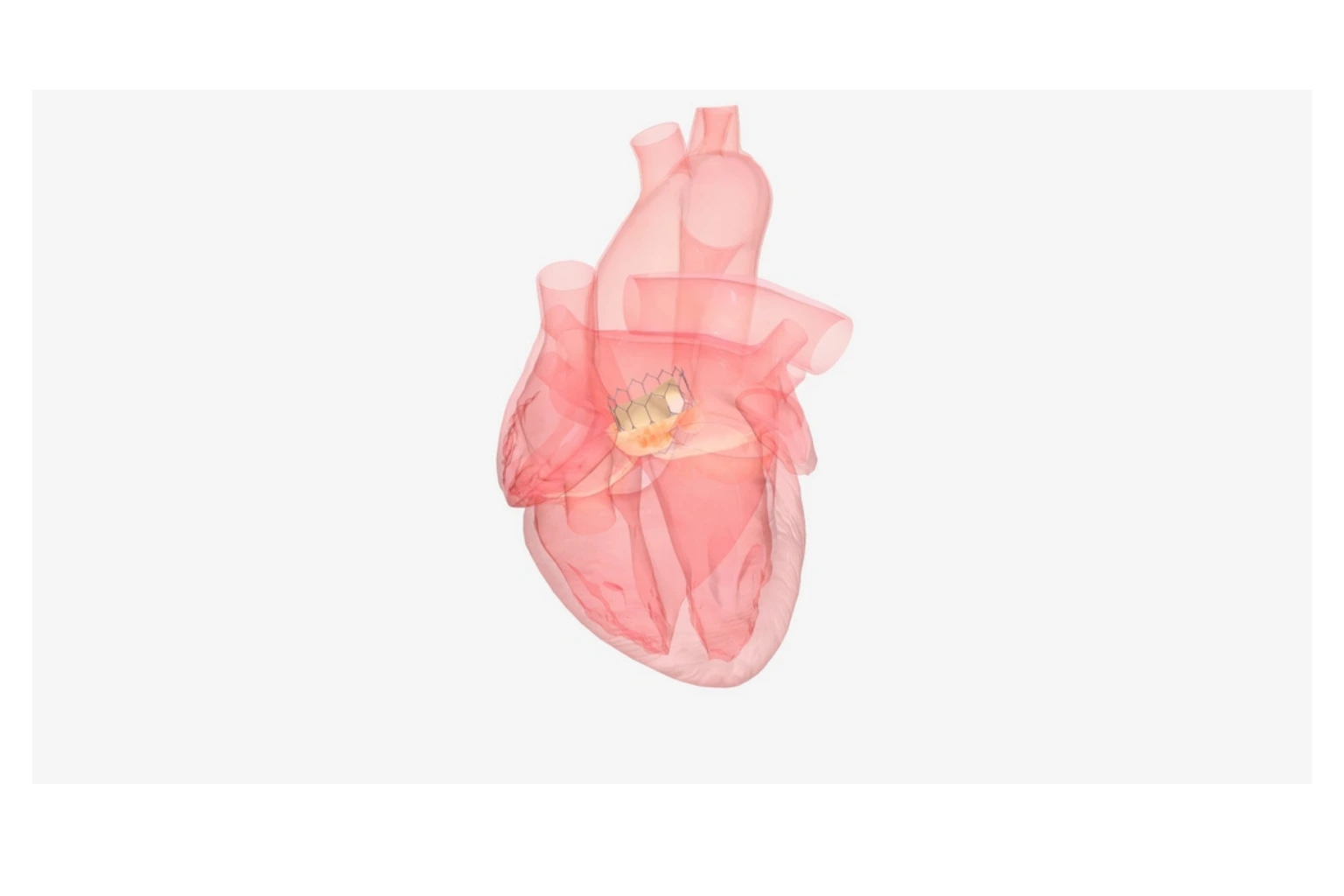
TAVR (Transcatheter Aortic Valve Replacement)
A minimally invasive procedure to replace a narrowed aortic valve without open-heart surgery, easing symptoms and improving blood flow.
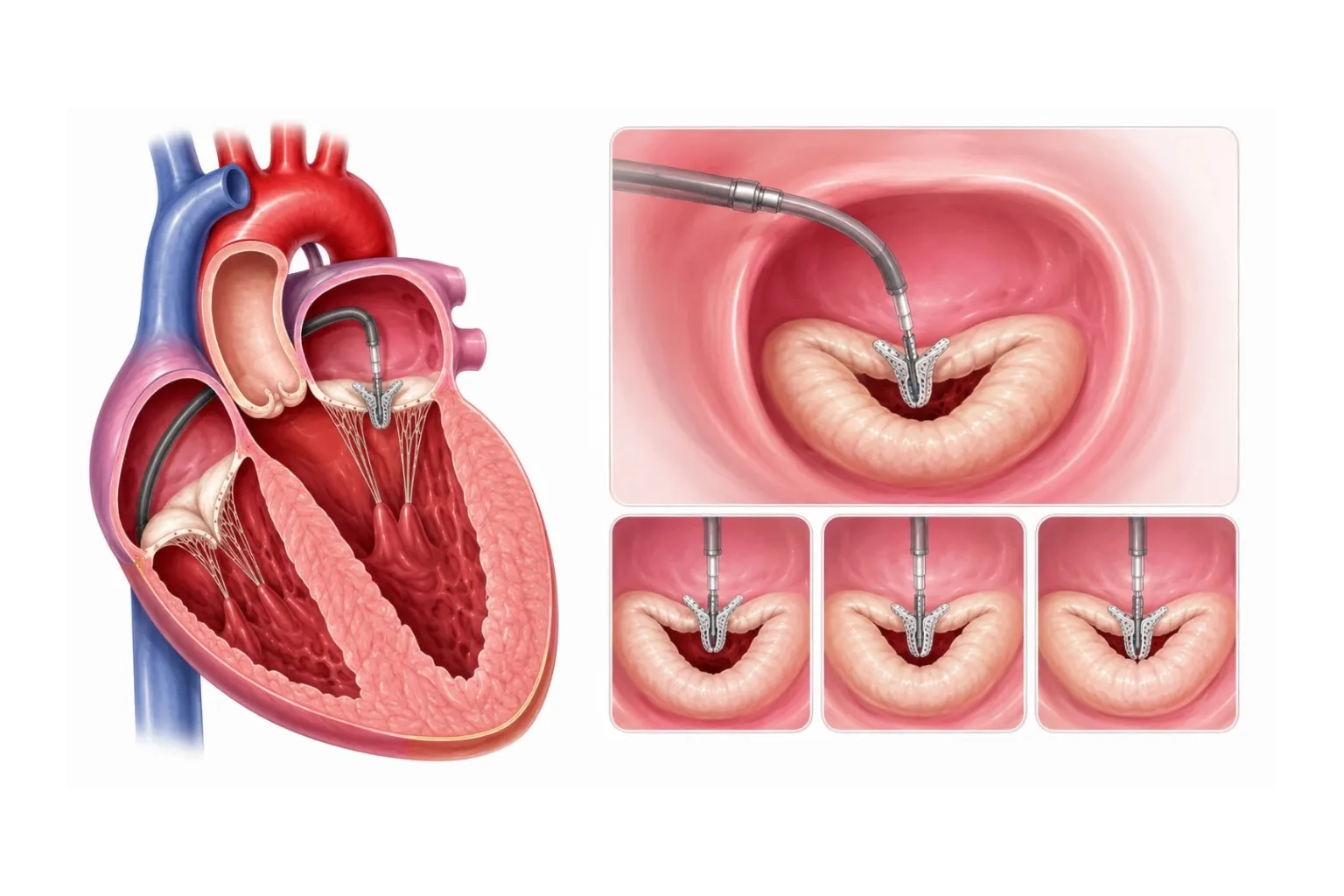
MitraClip for Mitral Valve Regurgitation
A minimally invasive treatment that uses a small clip to help the mitral valve close more completely and reduce backward blood flow.

Pacemaker Implantation (CRT) & (AICD)
Implantable devices that regulate abnormal heart rhythms, support heart function, or protect against life-threatening arrhythmias — tailored to each patient's condition.
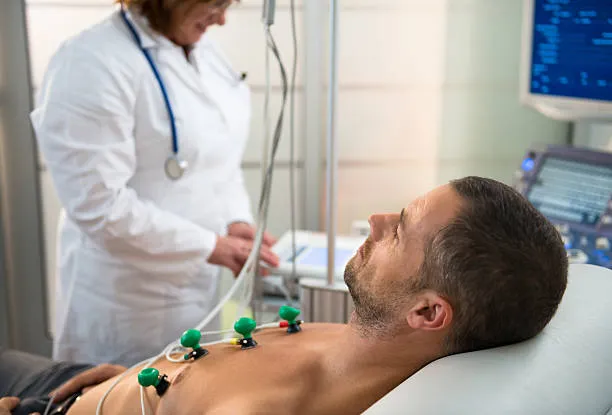
Electrocardiogram (ECG)
A quick recording of your heart's electrical activity that can catch an irregular rhythm, a past silent heart attack, or early signs of reduced blood flow, done in minutes; no discomfort involved.
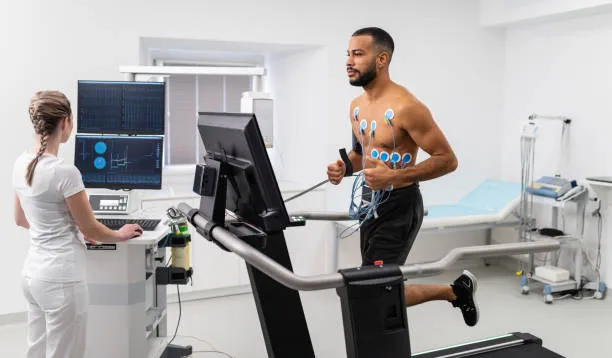
Cardiac Stress Test (TMT)
Shows how your heart handles physical exertion, usually on a treadmill, and often picks up blockages that a resting ECG simply won't show.
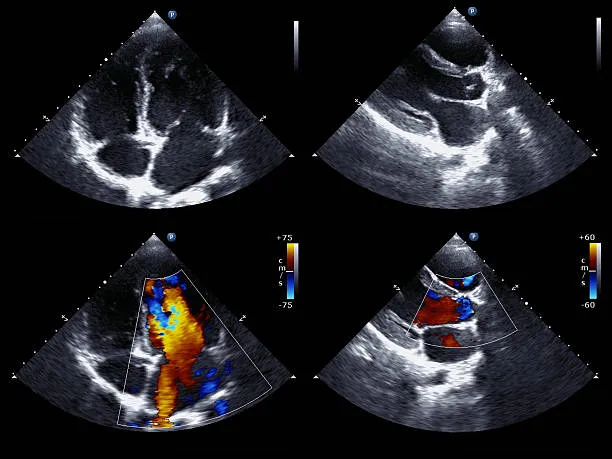
2D Echocardiography
An ultrasound of the heart that lets us actually watch the chambers and valves in motion, useful for spotting structural problems a standard check-up might miss.
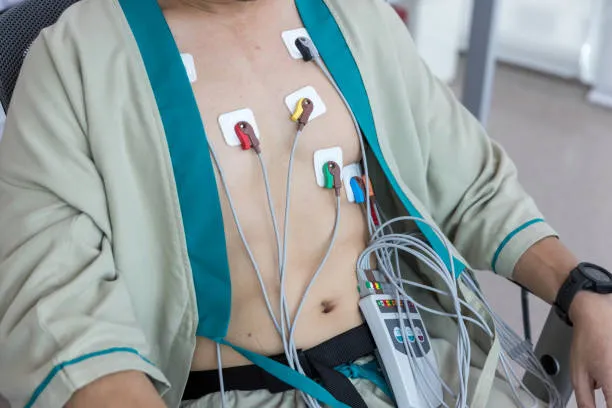
ECG Holter Monitoring
A small portable monitor worn for 24 to 48 hours that tracks your heart's rhythm through your normal day, ideal when symptoms like palpitations come and go without warning.

Ambulatory Blood Pressure Monitoring
Records your blood pressure at set intervals over a full day, giving a far more honest picture than the one reading you get sitting in a clinic chair.

Blood Test
Checks the numbers that often tell the real story before symptoms do: cholesterol, blood sugar, and cardiac markers that flag risk early.
Heart Conditions We Treat
Dr. Dhoot diagnoses and manages a wide range of cardiac conditions, including:
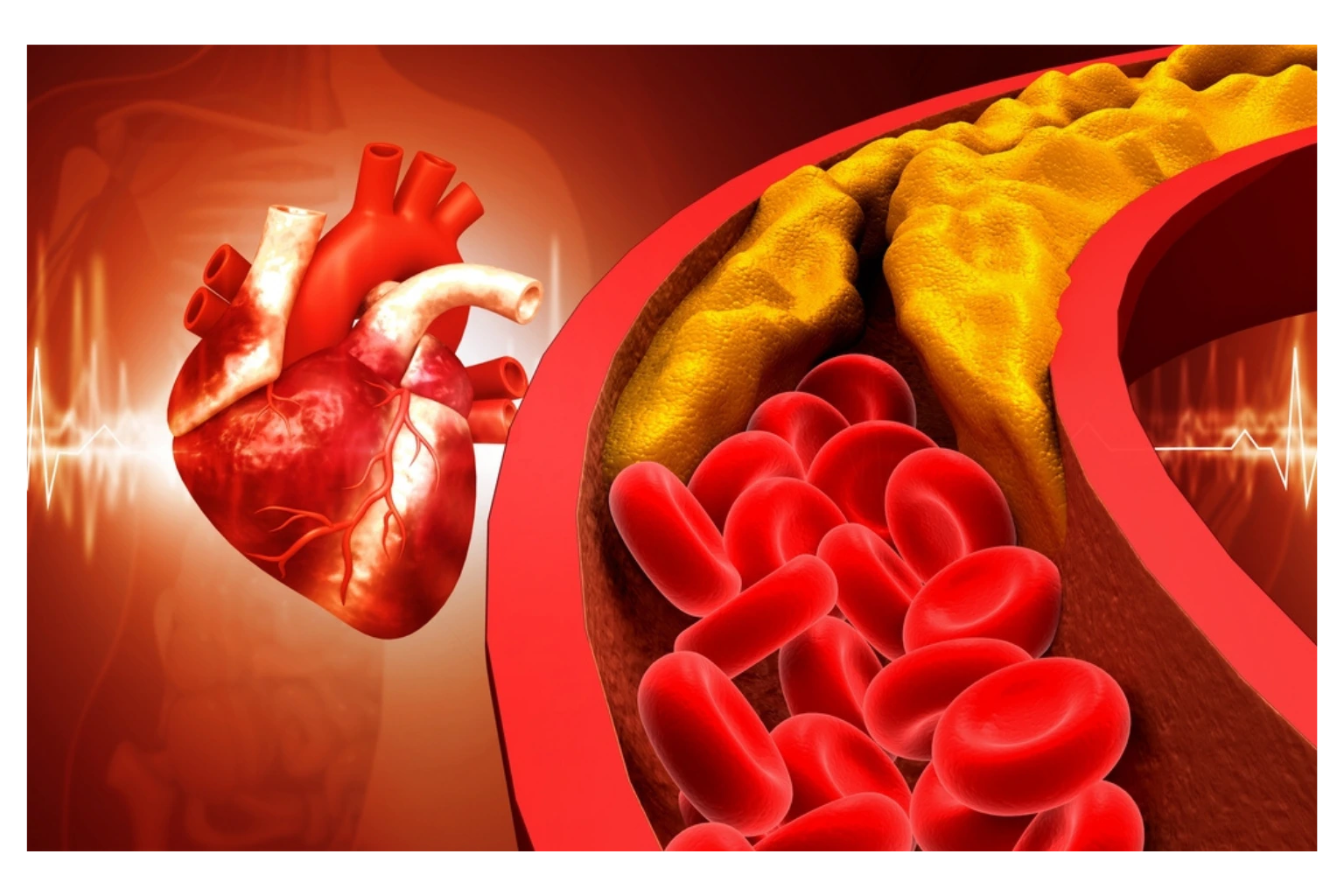
Coronary Artery Disease

Heart Valve Disorders (mitral and aortic valve disease)

Arrhythmias and abnormal heart rhythms
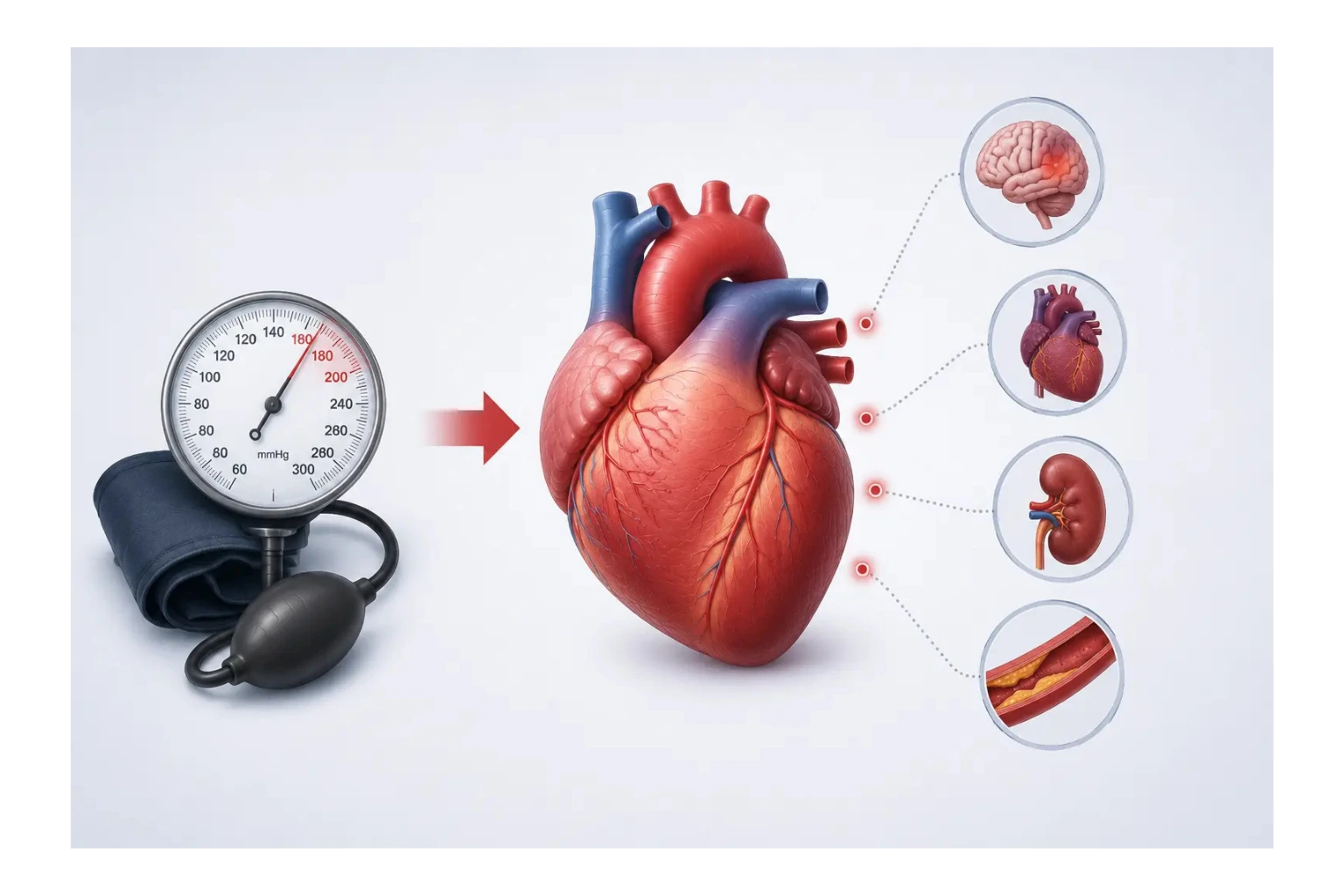
Hypertension-related heart complications
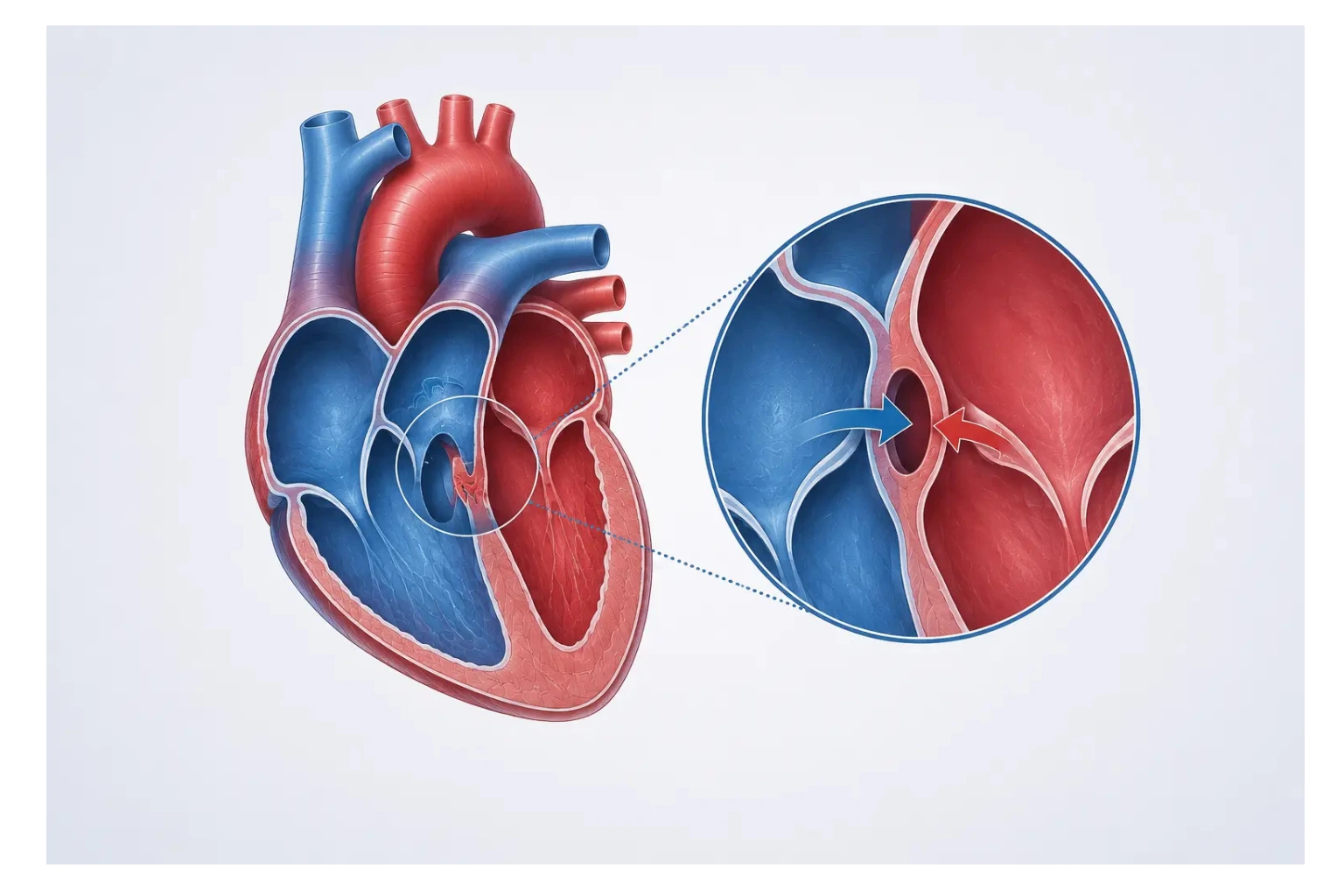
Congenital heart defects such as ASD
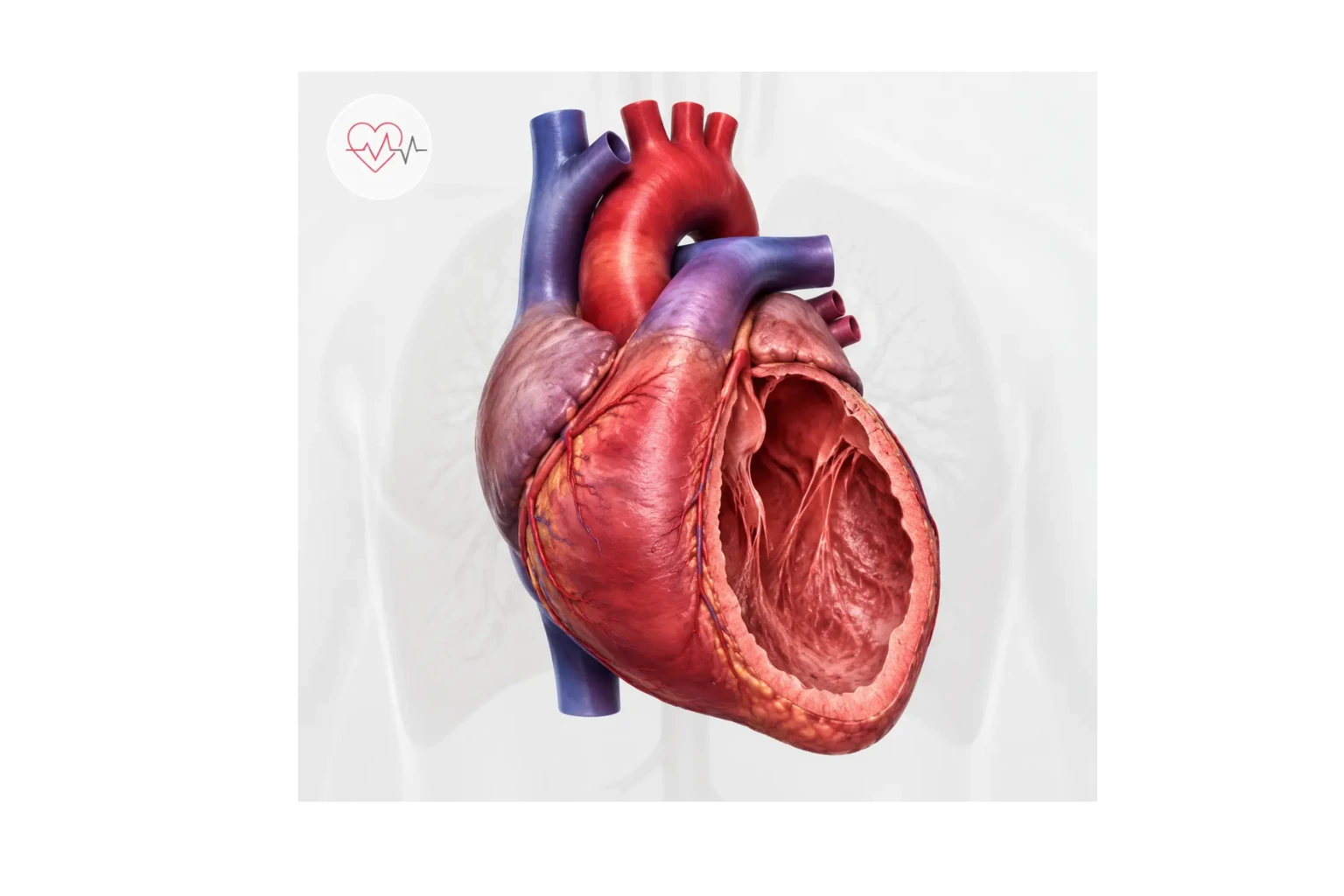
Heart failure and related structural conditions
When Should You Consult a Cardiologist?

Chest pain, tightness, or discomfort


dizziness


or feet

disease

Unsure If You Need a Cardiologist?
Call 8999522431 for Guidance
Dr. Krishna Dhoot’s Approach to Heart specialist in Pune
Expertise and Experience
Advanced Technology
Patient-Centric Approach
Holistic Health Management




Frequently Asked Questions
1. What are the early signs of heart disease?
2. When should I see a cardiologist?
You should consider consulting a cardiologist in Pune if you experience symptoms such as chest discomfort, shortness of breath, unexplained fatigue, palpitations, or dizziness. People with high blood pressure, diabetes, high cholesterol, or a family history of heart disease may also benefit from a cardiac evaluation. Seek emergency medical care for severe or sudden chest pain or difficulty breathing.
3. What is coronary angiography, and when is it needed?
4. What's the difference between angiography and angioplasty?
5. What conditions does an interventional cardiologist treat?
6. How can I reduce my risk of heart disease?
Hrudaysparsh Heart Care Centre
Office no. 208/209, City Center, Pune – Solapur Rd, Near Utsav Hotel, opp. Vaibhav Complex, Triveni Nagar, Hadapsar, Pune, Maharashtra 411028
